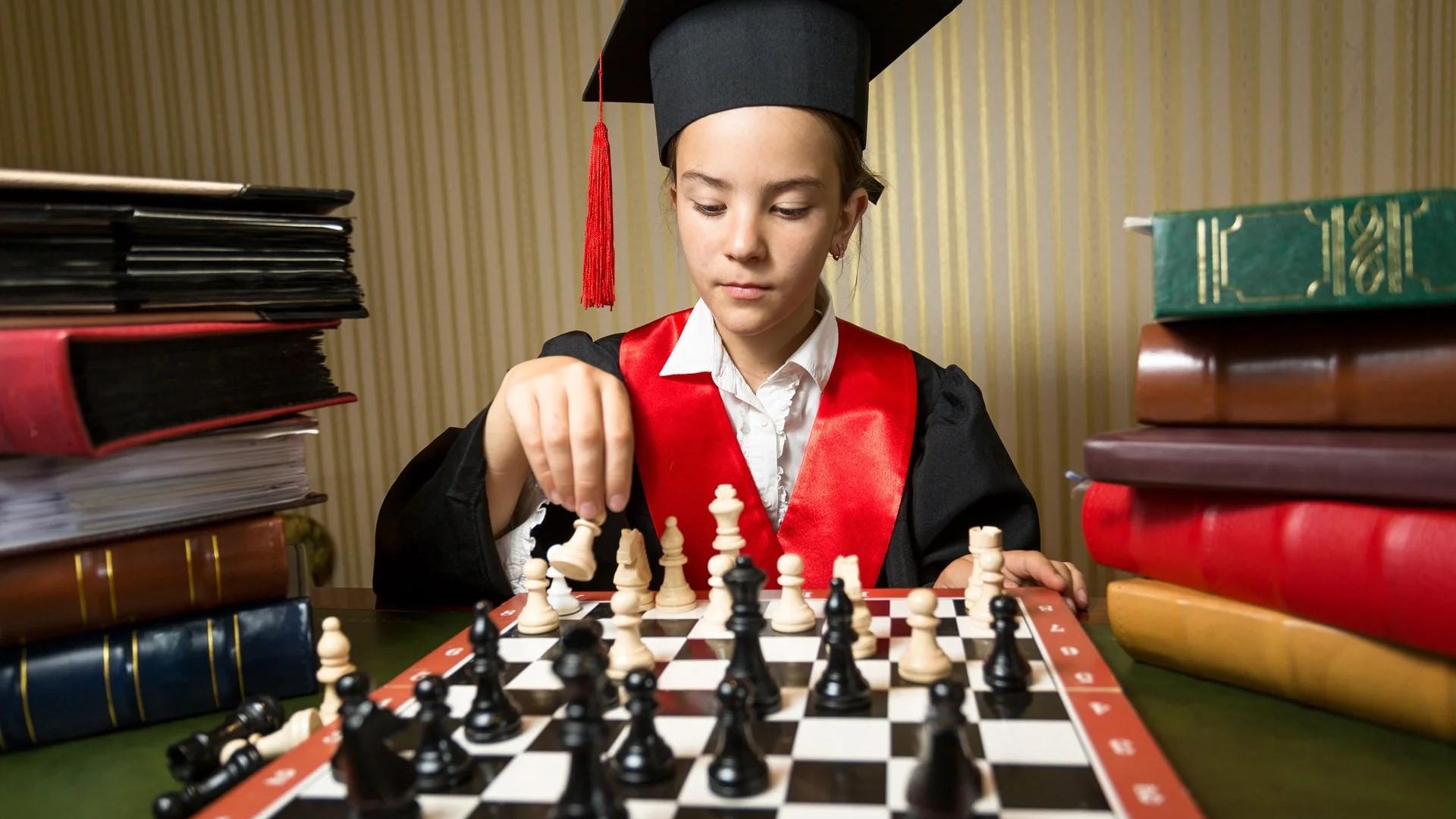
Chess is a lifelong journey.
Even the world champion continues to improve. There is always something new to learn, and there will always be someone stronger. True mastery can take decades.
But becoming “good” at chess does not require a lifetime.
It depends on how you train.
What Does “Good” Actually Mean?
When people ask how long it takes to get good at chess, they usually mean one of the following:
Winning beginner-level games
Becoming stronger than casual online players
Reaching a solid club level
Each level requires a different amount of structure and consistency.
The First Few Months
If you start from scratch and take structured chess lessons, you can begin winning beginner-level games within a few weeks to a few months.
Many online players never study properly. Their games are casual and disorganised. With even five focused private chess lessons, you can already build stronger fundamentals than most casual players.
That alone creates noticeable improvement.
Six Months of Structured Learning
With six months of consistent training, especially with a private chess tutor or chess coach, you will likely be stronger than a large percentage of recreational online players.
Why?
Because most players repeat the same mistakes for years. They never analyse their games or fix their decision patterns. Structured chess coaching corrects those habits early.
Improvement is not just about learning theory. It is about understanding why you make mistakes and how to stop repeating them.
One Year of Serious Study
After one year of consistent study with a professional chess instructor, most students can confidently compete against amateur players and win against friends who only play casually.
At this stage, your understanding becomes organised. You begin to recognise patterns, plan ahead, and make decisions more calmly under pressure.
You are no longer guessing. You are thinking.
Reaching Club Level
Becoming a strong club player usually takes a few years of consistent learning and practice, especially if starting as an adult.
This includes:
Studying tactics
Analysing your games
Learning strategic planning
Understanding endgames
Training your decision-making under pressure
Reaching this level is realistic. It simply requires patience and discipline.
The Truth About Improvement
Chess rewards structure.
If you try to learn only from random videos or books, progress can be slow and uneven. Gaps in understanding can hold you back without you realising it.
Working with a chess tutor or taking structured chess lessons accelerates improvement because your weaknesses are identified and corrected directly.
Final Thought
Chess is not something you “finish”.
It is something you develop.
You can begin enjoying the game and winning regularly much sooner than you think. But true mastery remains a lifelong pursuit.
The timeline depends less on talent and more on consistency, structure, and the quality of your training.